Building a New Wonder Town
The first session of our Social Democracy camp over this past Spring Break led the Wonder Kids to (re)discover the tenets of the U.S. Preamble, guided by the central question: what does it take to live in peace and freedom? In the second session, they were prompted to apply what they learned by creating their own Wonder Town.
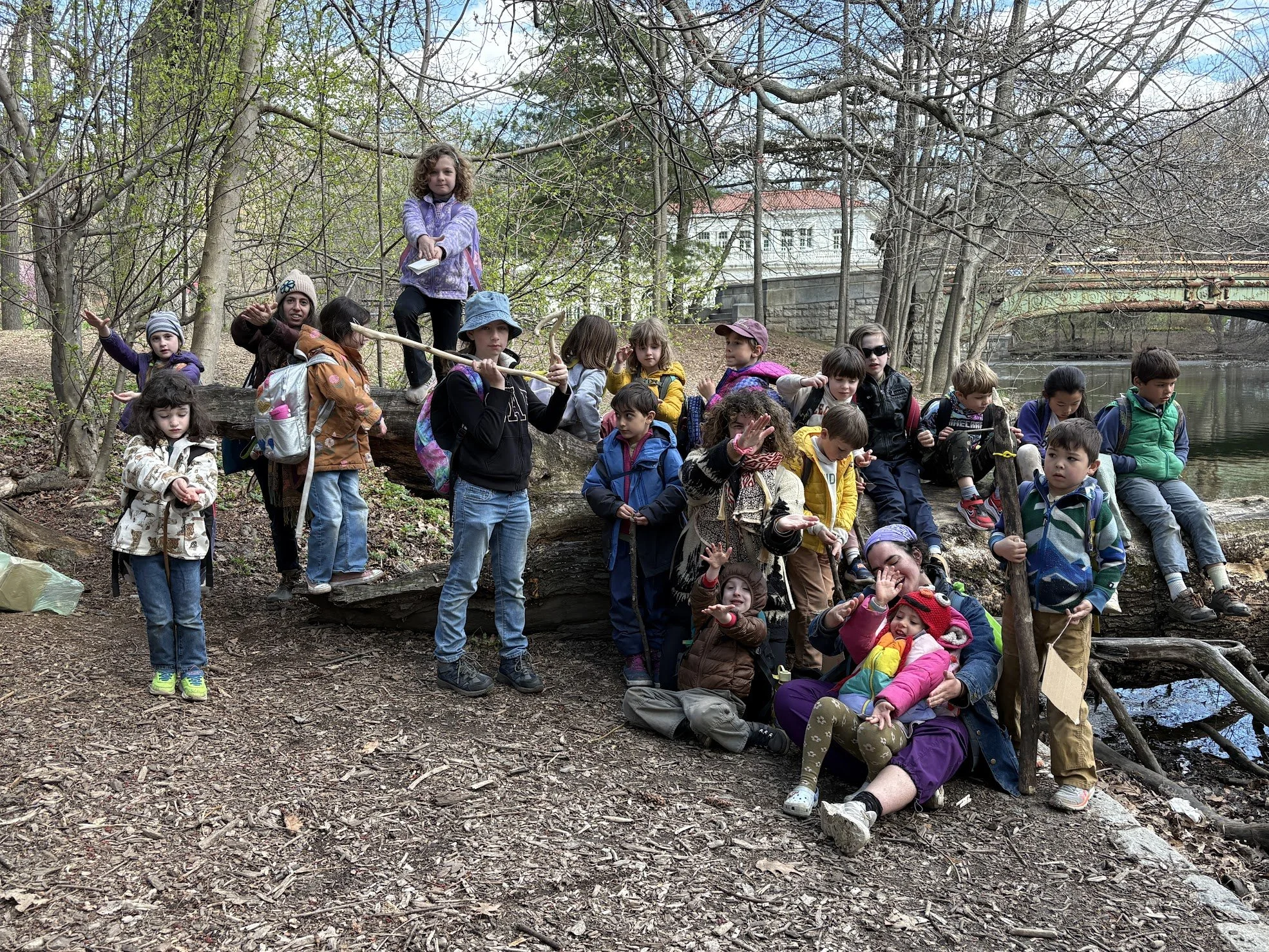
Want to take a tour around what they built?
Starting with a message from Gaia, the goddess of Mother Earth, the second day of the week-long camp invited the Wonder Kids to put their values into practice — could they become the founders of a society that lived up to the commitment of peace and freedom for all? Upon receiving Gaia’s message, the Wonder Kids found their values of collective decision-making put to the test in choosing where they would lay the bricks of this new Wonder Town.
Using their knowledge of Prospect Park and the Wonder Map, they scouted out their potential options and polled the opinions of the whole group. There was a majority agreement for being near water and also a hope from a vocal minority to remain near the current Wonder Village by Litchfield Villa. Through hearing each side and committing to finding elements of the current Wonder Village if choosing to locate elsewhere, the group decided to make their way to a lake-side forest. Upon arriving and finding a tree stump shaped like a crocodile, the Wonder Kids named this new place Crocodile Town.
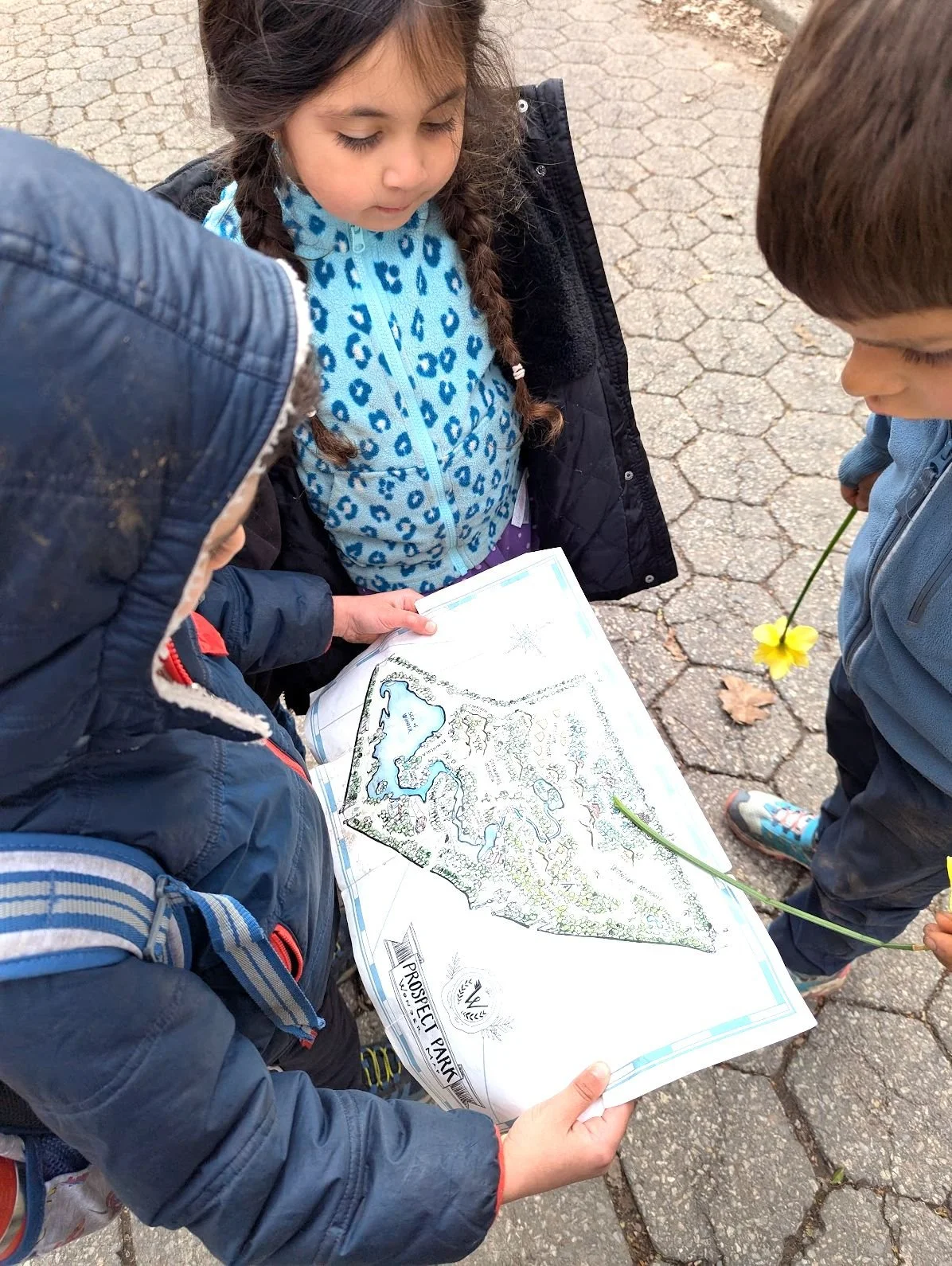
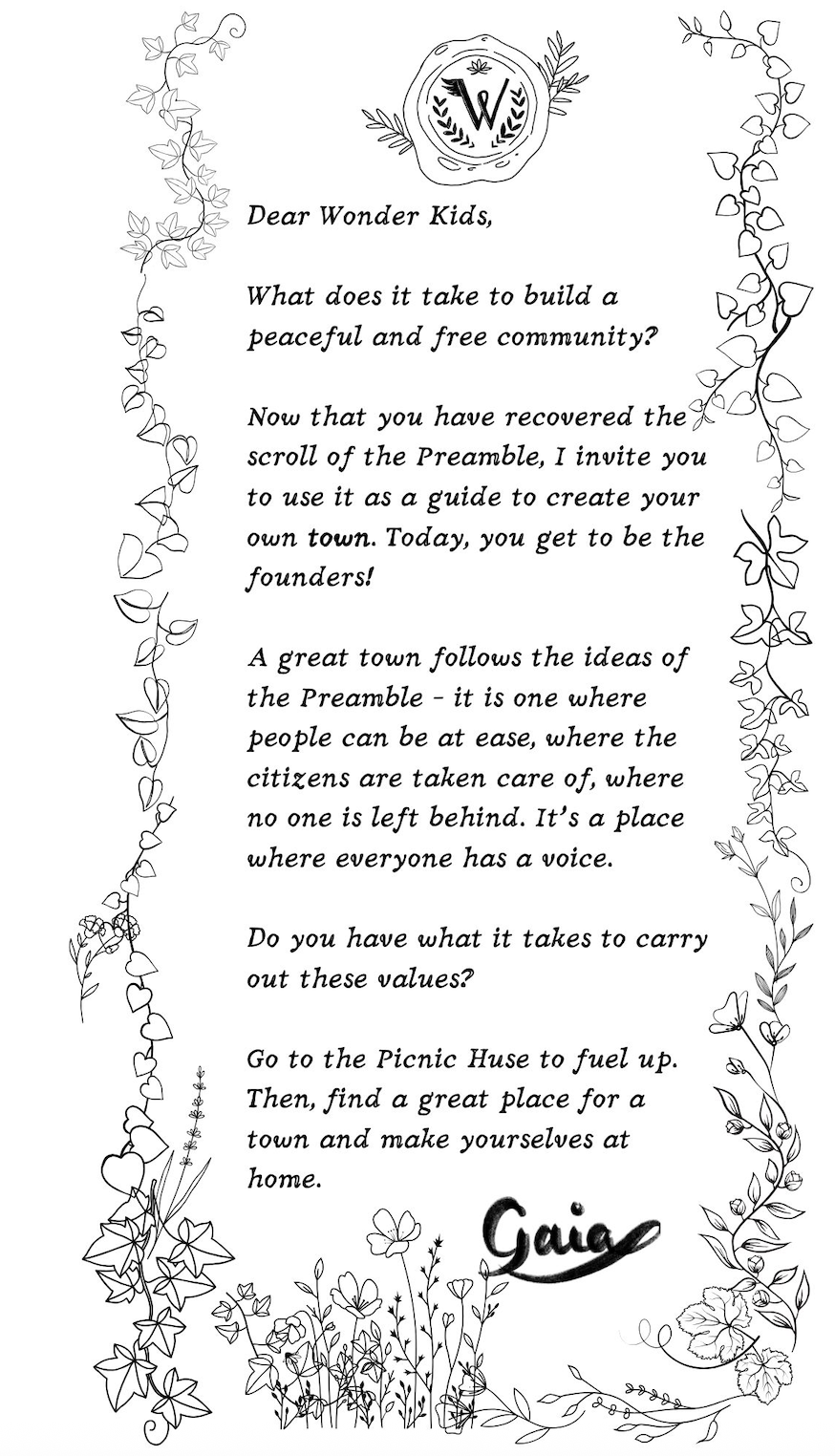
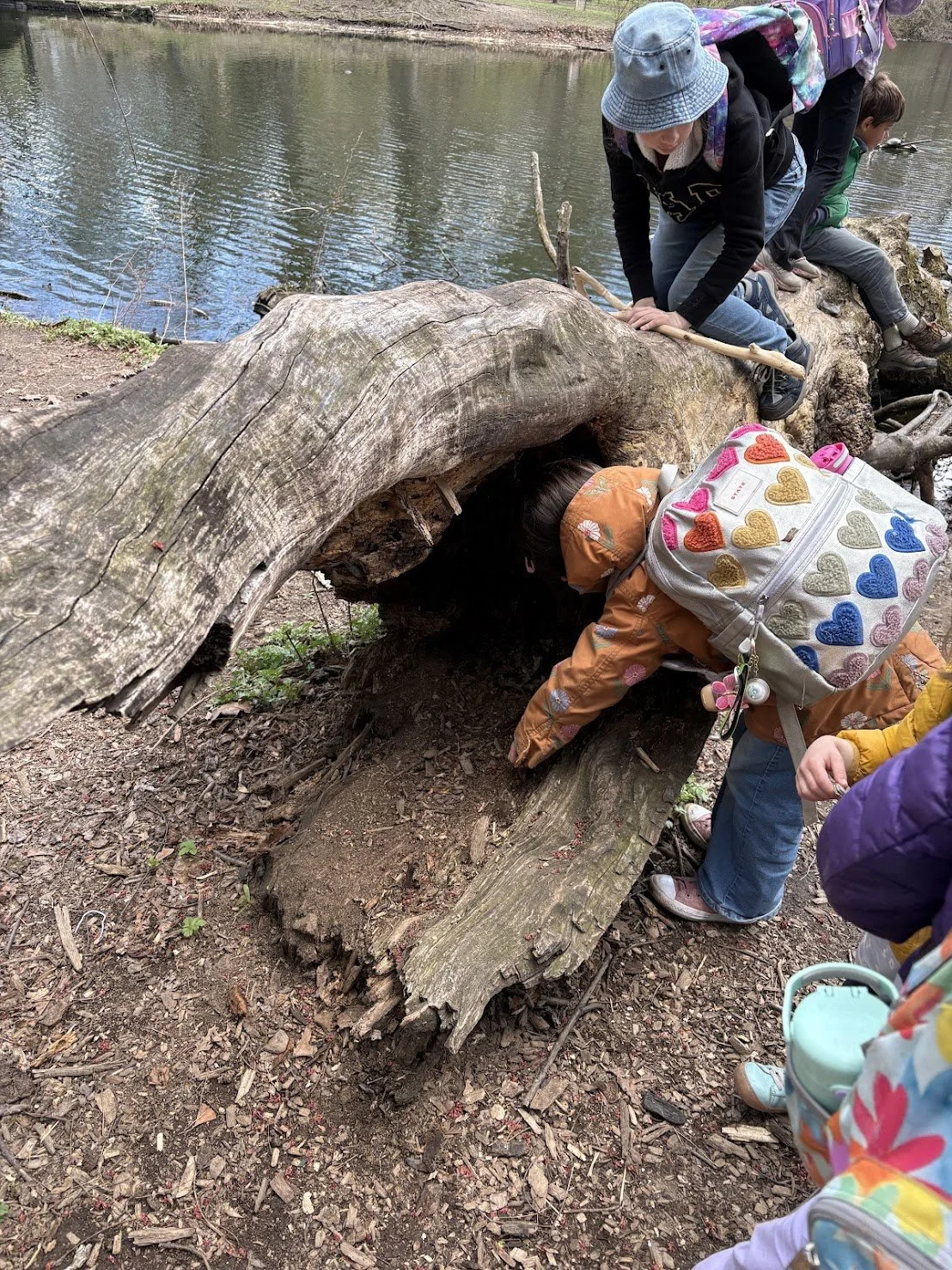
In designing the pedagogy for this adventure, the Wonder Team wanted to strike a balance between 1. offering the kids total freedom for exploration and creation and 2. over-anticipating and planning for what issues may arise in the process of building a town. To strike this balance, we crafted a handful of scenarios that would present guiding questions throughout the experience, questions that would create tension around the core values of the previous session.
The questions offers opportunities for the Wonder Kids to practice how to …
navigate conflicts of interest
ensure no one is left behind
listen to the voices of everyone
learn how sacrifices can be made
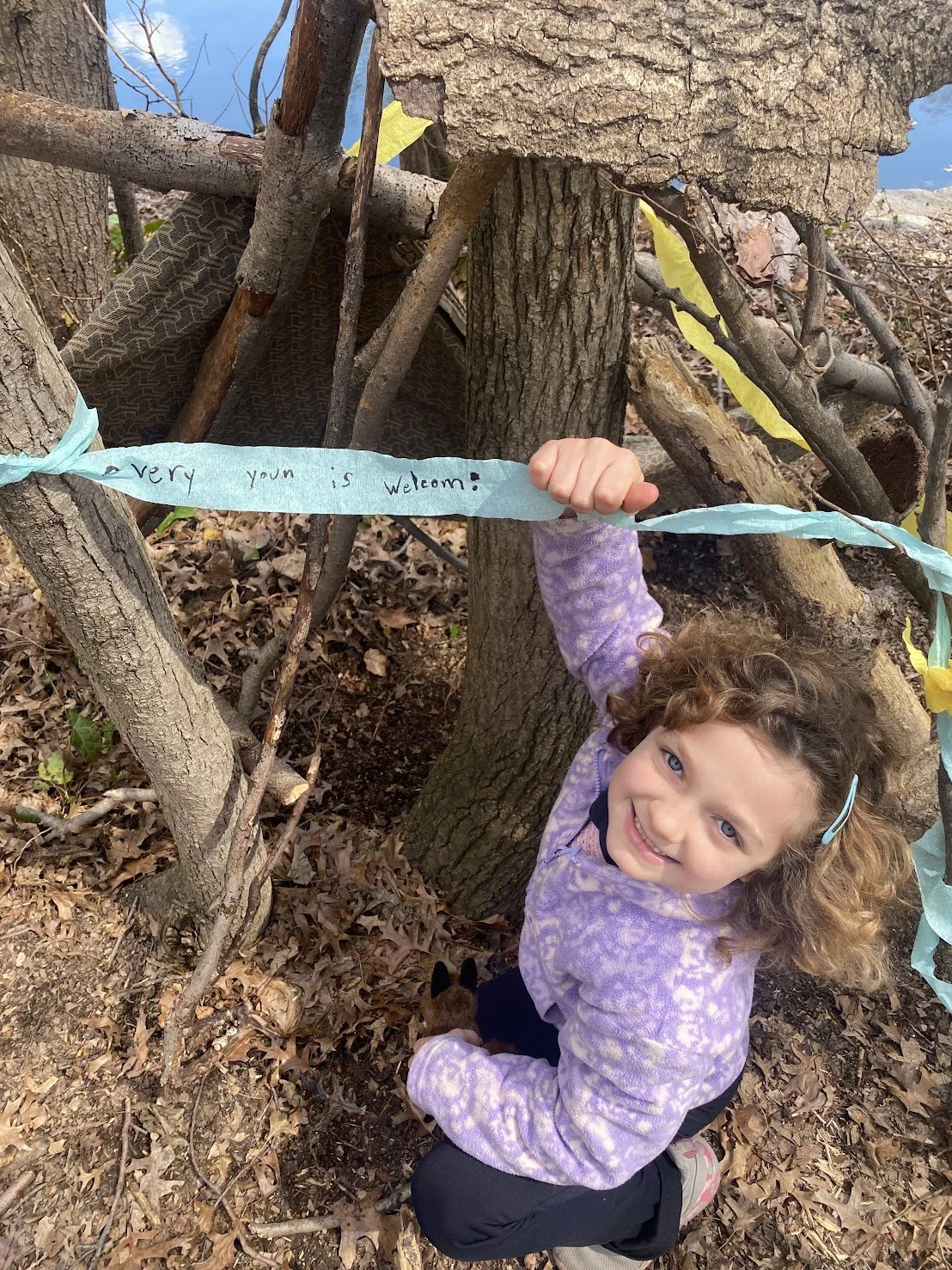
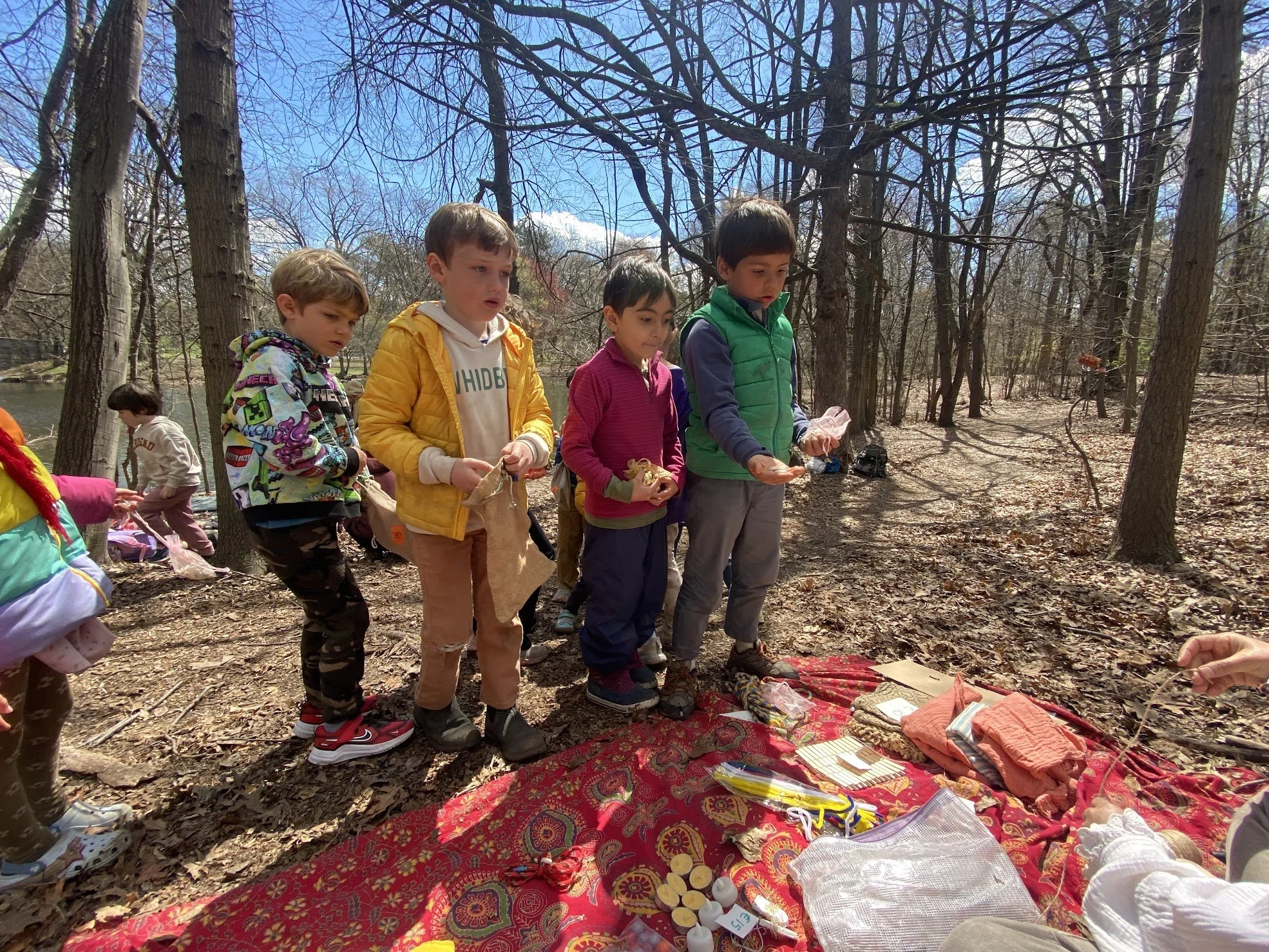
For example, as we settled into Crocodile town, the Wonder Leaders opened up a small store selling materials that could be used for building homes. The kids were curious about what we were doing and how they could buy the materials. We then randomly allocated to every kid one small, individual bags, each containing anywhere from 5 to 50 beans (read: money). These beans could be used to purchase materials at the store, and the kids were informed that there would be a town hall style community meeting at some point, requiring 5 beans to attend.
What happened next we didn’t quite plan for: upon receiving these bags, the kids brought their individual beans together and purchased materials as if collective, building an awareness of the disparity of resources that existed between them as a result of how the beans were distributed. For some, the number of beans in the bag created limitations in what could be purchased, but not for others. Some could buy rope but not the dream catcher; some could buy both, some neither. But when someone wanted the dream catcher and didn’t have enough beans, we noticed a communal rally to get that person the beans they needed to make their purchase — a purchase that would complete their vision for they home they wanted to build. Homes popped up everywhere and quickly. Crocodile Town became a bustling community where people were building lives and possibility.
But then…
… tension began to erode the feeling of collectivity when a Wonder Kid discovered how many beans the Wonder Leaders had as store owners. This raised emotions of distrust, unfairness, and frustration as well as the question: how do we want to account for some people having too much? Through this question, conversations around a more structured reallocation system (taxes!) were sparked. It felt like time to call into order our first town hall meeting.
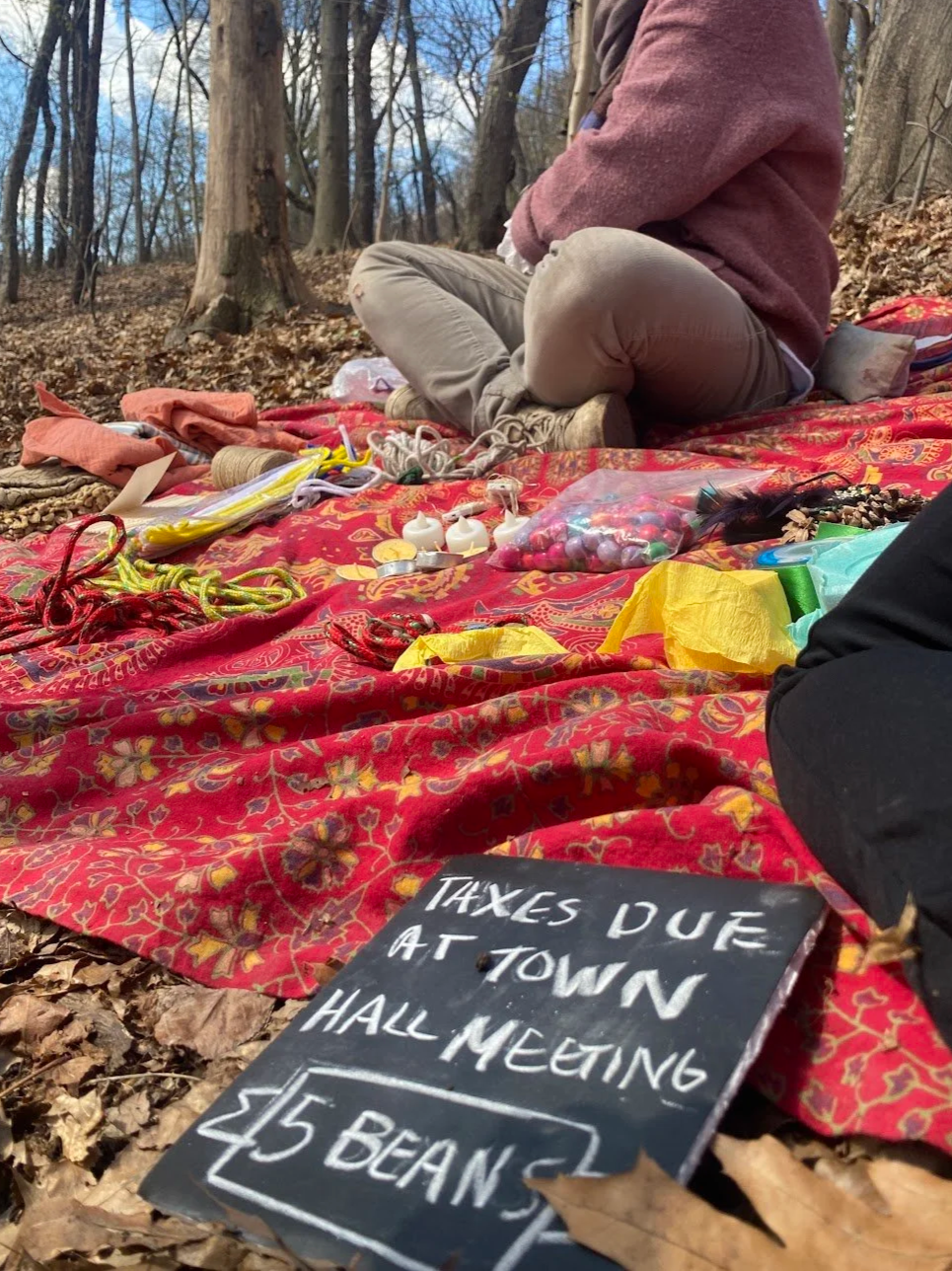
The first town hall offered a place for the people of Crocodile Town to call attention to the problems that were starting to create barriers or conflict. One issue was that some people couldn’t pay taxes, which then also meant they couldn’t vote (one rule set by the Wonder Leaders was the fee of 5 beans to participate in the town hall and earn the right to vote). Even though the Wonder Kids pulled enough money together for everyone to be able to attend this first meeting, there was a growing awareness and resistance to what felt like a disproportionate distribution system.
Through the town hall forum, ideas were proposed for how to resolve this dilemma. One Wonder Kid suggested that instead of accepting that everyone has different amounts of beans, they could put all of the beans in a pile and divide them evenly. Another questioned why beans had to be taken at all to pay for materials or to attend the town hall.
A Wonder Leader spoke up to address this question and introduce the concepts of public funds. What if the money being sourced to attend the town hall served as a resource for the community in the cases where anyone finds themselves without money? Rather than beans being privately maintained across the people of Crocodile Town, is there a benefit to having this money protected and prioritized for community-wide projects and not just private ventures like home building? If the money were to be used as such, as public funds, we asked what they think it could be used for.
Ideas including building a free community house for those not able to afford or build their own house; others wondered about building a correctional facility; and others asked for a military base. These projects prompted many curiosities across the kids. When debating what gap a correctional facility might fill, there was a consensus that there was yet to be a need for it, so it received no votes for approval. When asked about the military base and how we want to protect each other, there was a vote to build educational infrastructure as a first step towards protection instead of building a military base. By the end of the discussion, the people of Crocodile Town decided to create a tax system that would collect some public funds to build a school and a community house, with one kid already on the waitlist to move in.
The town hall concluded with a bit of a cliffhanger when one other problem was introduced: kids had been losing their wallets, or worse, had there been thievery beginning in the town? At what felt like an overall successful first community forum, it became clear there would need to be another town hall meeting soon.
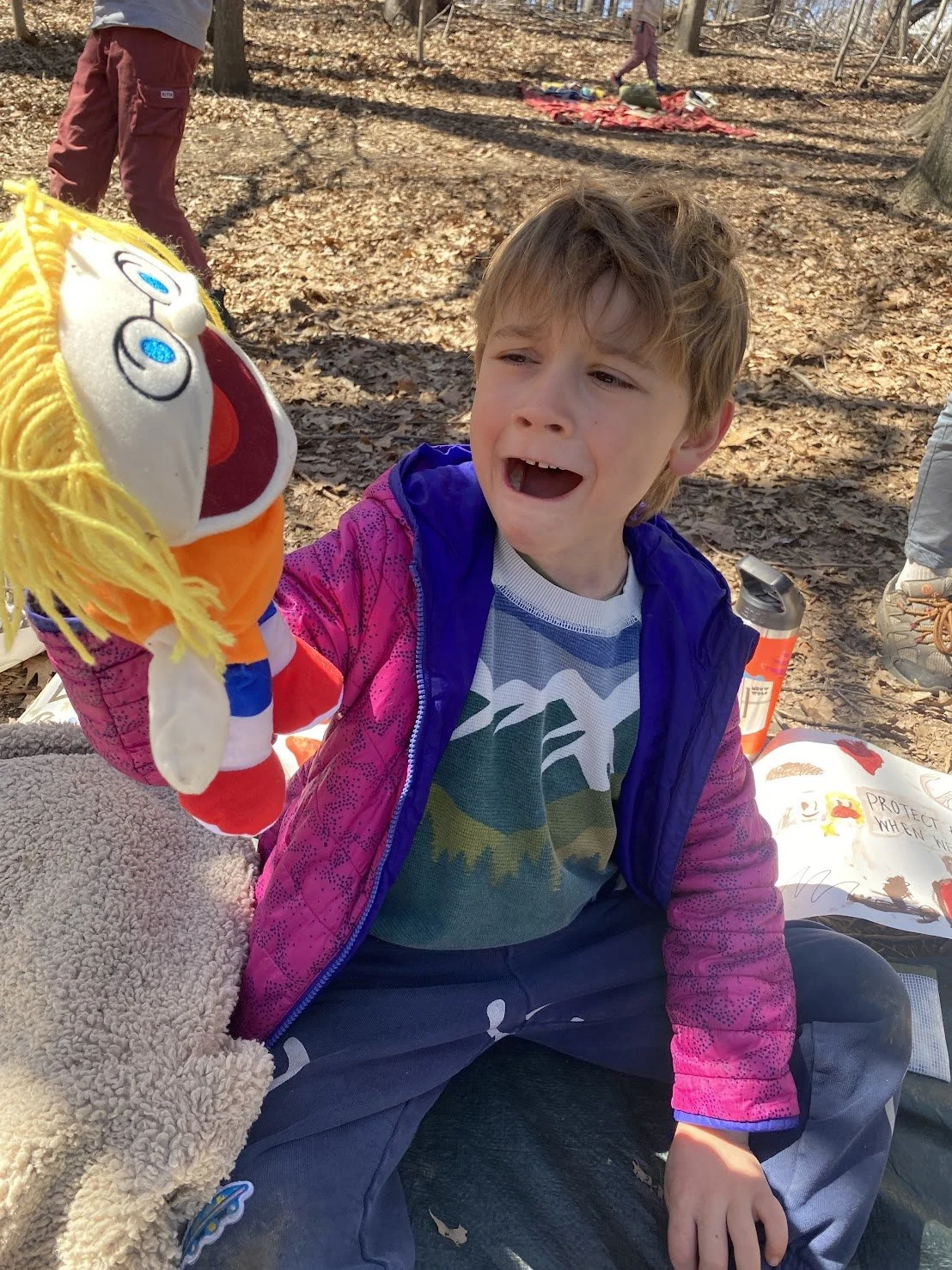
Following the first town hall, the Wonder Leaders decided to shake up a few elements of the simulated experience. This time around, the store wouldn’t charge anyone for materials — it would be giving them away for free. The Wonder Kids were also offered the experience of taking on parenting kids (read: dolls and stuffed animals) and how that might introduce new needs or shift priorities within the community.
Pretty soon after the store became free and child rearing began, chaos ensued, and the town called for the second town hall. Through this second meeting, a reassessment of the overall project was being called for. What do we need in our town? was the question on everyone’s mind. There seemed to be no rules or due process for the issues that were emerging (one kid was accused of being a bean stealer!), which felt like it was delaying bigger dreams and projects for the town like building a community garden and figuring out how to pay people for their labor (one kid began harvesting logs so they could become more accessible to people who couldn’t go into the forest and find them; another was offering classes at the public school and wanted to charge for it).
What became a through-line between both town halls was finding ways to return to the Preamble and the School of Wonder values (we care, we share, we listen, we play, we repair) in moments of questioning what to do next. Throughout the adventure, the people of Crocodile Town participated in a project that encouraged building practices rooted in evaluation and revision. By building collective forums through trust, fairness, and accountability, evaluating and revising become tools for adapting a community around what is being learned, what is outdated, and what (and who) has fallen through the cracks. With these practices embedded into the foundation of Crocodile Town, the Wonder Kids were prepared to bring what they learned to the next layer of our democratic system: our elected officials. Off to offices of the elected officials we go!
Check out our school holiday and summer programming to learn more.